

Bonded Warehouse (Hozei) | Bonded Warehouses in Osaka & Tokyo

Optimize duty deferral and inventory with our own bonded warehouses in Osaka & Tokyo (10,683㎡ combined)
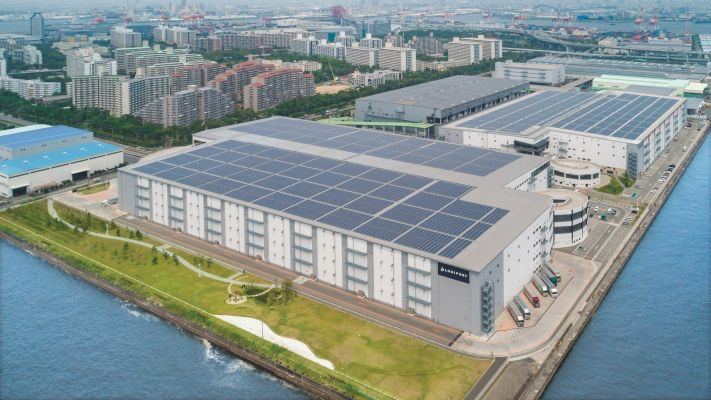
Meito Inc. operates bonded warehouses officially licensed by Osaka Customs and Tokyo Customs in Nanko, Osaka and Shinsuna, Koto-ku, Tokyo.
From the secure storage of import and export cargo through to customs clearance, we provide seamless, integrated operations. We also flexibly accommodate cross-border e-commerce logistics and value-added processing.
Do any of these challenges sound familiar?
You want to avoid paying duties immediately upon import
You want to hold pre-cleared inventory within Japan
You find the bonded system hard to understand
You want temporary storage for large-lot ocean cargo
With Meito, both our in-house customs brokerage and bonded warehouse licenses let us handle it all together.
Bonded basics — what does "bonded" mean?
Bonded refers to a Japanese system that lets you temporarily defer payment of customs duties and consumption tax incurred at import. By placing imported cargo in facilities under customs supervision known as "bonded areas," you can store, process, exhibit, or re-export goods before paying duties. It is an important mechanism for improving cash flow, providing an international logistics hub function, and enabling flexible value-added processing.
The 5 types of bonded areas
Nationwide counts based on data published by the Customs and Tariff Bureau, Ministry of Finance (2023). Meito falls under the most common category: the "bonded warehouse."
Designated Bonded Area
Ports, airports, and similar public facilities designated by the government. For short-term temporary storage only.
Bonded Warehouse ⭐ Meito is here
The most common form of bonded warehouse operated by private enterprises. Long-term storage and value-added processing are possible. Obtaining a license requires meeting strict financial, facility, and personnel requirements.
Bonded Factory
Manufacturing and processing are possible while goods remain bonded. For manufacturers.
Bonded Exhibition Site
Temporary facilities for international exhibitions. Extremely limited.
Integrated Bonded Area
Storage, processing, and exhibition can be operated together. For large-scale logistics hubs.
Source: Customs and Tariff Bureau, Ministry of Finance "List of Bonded Areas" published data (please refer to the official website for the latest information).
When "bonded" is needed
Improved cash flow
You can delay payment of customs duties and consumption tax from the time of import until the actual timing of shipment. This eases the cash-flow pressure of holding inventory.
Re-export to overseas buyers
When storing goods temporarily in Japan and then re-exporting them to a final destination (China, Southeast Asia, Europe/the U.S., etc.), operations can be conducted without any duty burden.
Value-added processing while bonded
Prepare product specifications before import clearance, including label application, kitting, repackaging, and multilingual packaging.
Phased import based on demand
Import in large lots by ocean freight, then clear customs in Japan and ship in smaller quantities as demand dictates. Reduce inventory risk while optimizing logistics costs.
Requirements for obtaining a bonded warehouse license
While there are tens of thousands of logistics operators in Japan, only approximately 4,500 sites hold bonded warehouse licenses. Obtaining one requires meeting strict financial, facility, personnel, and legal-compliance requirements, and the review period typically takes 3 to 6 months.
Financial foundation
Financial review of net assets, capital-adequacy ratio, default history, and more
Facility & equipment requirements
Dedicated zones, access control, surveillance devices, security equipment, and ledger management
Personnel requirements
A resident bonded operations supervisor and assignment of a licensed customs specialist (recommended)
Legal compliance
Review of any past customs-clearance violations or breaches of the Customs Act
Location requirements
Proximity to customs, physical security, and surrounding environment
Review period
From application to license typically takes 3 to 6 months
What you can do in a bonded warehouse
① Adjust the timing of duty & consumption tax payment
Pay taxes at the actual time of shipment rather than at import. Avoid cash-flow pressure during the inventory holding period.
② Re-export to overseas buyers
Temporary storage in Japan → re-export to China, Southeast Asia, Europe/the U.S., and beyond without any duty burden. Realize an international logistics hub function.
③ Value-added processing while bonded
Label application, tagging, kitting, repackaging, inspection, and other work to prepare product specifications before import clearance.
④ Temporary storage of overseas cargo
Storage from arrival in Japan until the final destination is determined, with long-term storage of up to 2 years possible.
⑤ Reduce inventory risk through phased import
Arrival in Japan by large-lot ocean freight → storage while bonded → phased customs clearance and shipment as demand dictates. Simultaneously optimize logistics costs and inventory risk. Especially effective for cross-border e-commerce, seasonal merchandise, and new product launches.
The overall international logistics flow — at which step does "bonded" occur?
As a rule, imported cargo must be brought into a bonded area before an import declaration (customs clearance) is filed (Article 67 of the Customs Act). Because "bonded" occurs immediately before customs clearance, understanding where it sits within the logistics flow is the first step in cost management and lead-time calculation.
* Excluding exceptions such as the AEO authorized importer program. Meito holds both a bonded warehouse license and a customs brokerage license, handling everything from receipt to customs clearance in-house.
Imported cargo, as a rule, passes through a bonded area
Under Article 67 of the Customs Act, import declarations are, as a rule, filed for cargo placed in a bonded area. Excluding exceptions such as the AEO authorized importer, arriving cargo is first brought into a bonded area such as a bonded warehouse or shed, and then enters domestic distribution after the import declaration and payment of duties.
Meito's strength: dual bonded warehouse + customs brokerage licensing
General warehousing companies hold only a bonded warehouse license and outsource customs operations to third parties. Because Meito holds both a bonded warehouse license and a customs brokerage license in-house, we handle receipt, storage, customs declaration, and domestic shipment end to end. With a single point of contact, we dramatically reduce communication costs and procedural delays.
Notable new system: Simplified Customs Clearance for Small Ocean Parcels (effective October 2025)
The Simplified Customs Clearance System for Small Ocean Parcels, effective from October 2025, is a system that extends to ocean shipments the simplified clearance scheme that had previously been limited to air shipments.
- Achieves clearance speeds close to air shipments while maintaining the low cost of ocean freight
- A mechanism well suited to small-lot, high-frequency imports such as cross-border e-commerce, consumer goods, and seasonal merchandise
- Meito has already established a framework to handle this system
Please see the dedicated page for a detailed explanation of the system and Meito's service offerings.
Scenes from the field — bonded warehouse


Meito Bonded Warehouse track record
Clients served
Total bonded warehouse area
Annual transshipment volume handled
Services offered
Japan import & export customs clearance
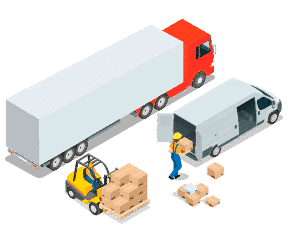
We provide air freight, ocean freight, and customs clearance for Japan's international trade in an integrated manner. From documentation to actual delivery, we support your overseas market expansion as a one-stop service.

Bonded warehouse storage & value-added processing
We handle a full range of value-added processing, including vanning/devanning of export and import containers, palletizing, sorting, label application, and inspection. E-commerce receiving/shipping, picking, and fulfillment are also available as a one-stop service.
Domestic logistics services
We offer a wide range of domestic transport options, including nationwide parcel delivery across Japan, chartered vehicles, and joint delivery. Integrated operations from storage through delivery are possible.
The strengths of Meito's bonded warehouses
Officially licensed by Osaka & Tokyo Customs
Meito's bonded warehouses are officially licensed by Osaka Customs and Tokyo Customs. We store and handle import and export cargo safely and reliably in accordance with the law.
Osaka base: 2km from Nanko Wharf / 7,300㎡
A large 7,300㎡ bonded warehouse located about 2km from Nanko Wharf in Osaka, at a key point in the Kansai region's main logistics area. It enables speedy receipt, sorting, and delivery of ocean containers.
Tokyo base: Shinsuna, Koto-ku / 3,383㎡
A 3,383㎡ bonded warehouse located in Shinsuna, Koto-ku, with good access to the Port of Tokyo, Haneda Airport, and Narita Airport. The hubs of Sagawa Express, Yamato Transport, and Japan Post are all within a 2km radius, enabling extended pickup cut-off times and reduced delivery costs.
From general trade to e-commerce fulfillment
We flexibly handle a wide range of projects, from general trade cases for trading companies and manufacturers to small-lot picking and fulfillment for cross-border e-commerce businesses. We offer a competitive pricing structure that leverages our abundant volume.
Facility access
Osaka Bonded Warehouse
- • Area: 7,300㎡
- • TEL: 06-7410-2404
- Location: approx. 2km from Nanko Wharf, Osaka
- • Ideal for receiving ocean containers in the Kansai area
Tokyo Bonded Warehouse
- • TEL: 03-6666-8581
- Location: Shinsuna, Koto-ku
- • Area: 3,383㎡
- • Good access to Haneda, Narita, and the Port of Tokyo
- • Sagawa, Yamato, and the post office within a 2km radius
Feel free to consult with us
Based on your cargo volume, item types, and delivery requirements, we will propose the optimal bonded, customs clearance, and delivery plan.
Licenses & registrations
Meito Inc. holds all of the public licenses and permits required for international logistics in-house.
Customs brokerage license
Obtained from Osaka Customs. We have established an in-house customs clearance framework.
Bonded warehouse license
Obtained from Osaka Customs and Tokyo Customs (Nanko 7,300㎡ / Tokyo Shinsuna 3,383㎡).
Warehousing business registration
Registration No. 8774.
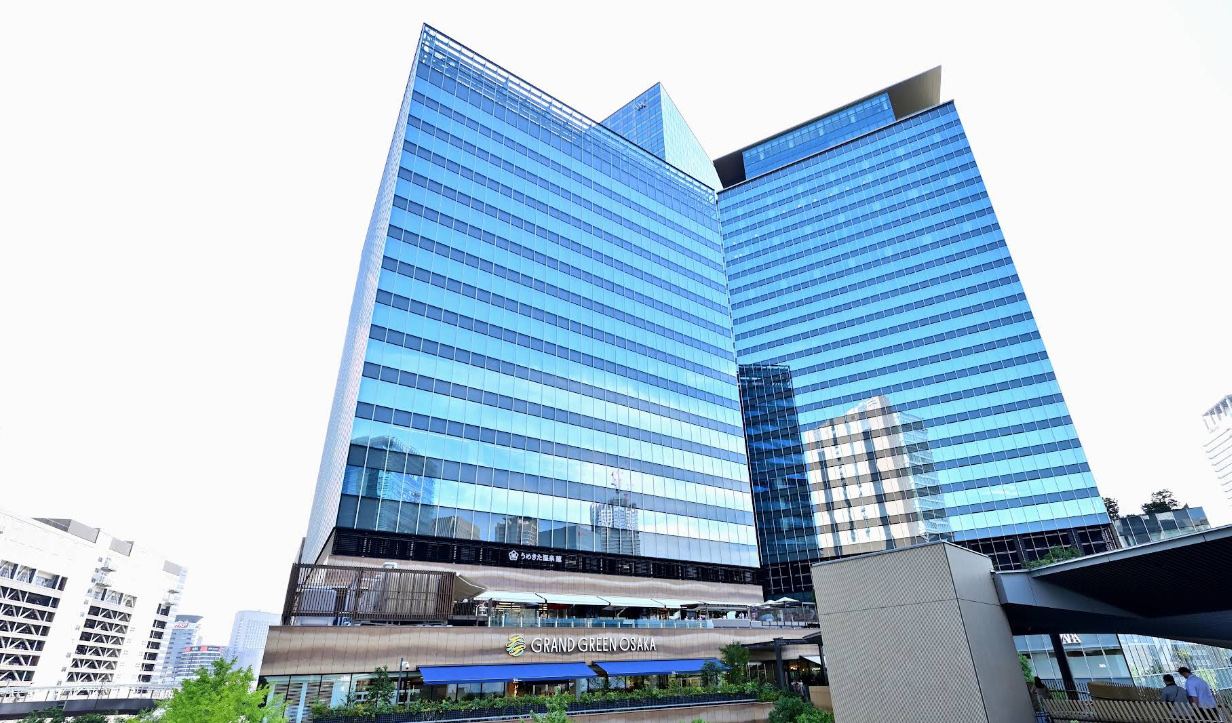
Corporate Number 1120001179440 / Head office: Grand Green Osaka, South Building Park Tower, 7th Floor
Feel free to reach out to us first.
We will propose the optimal plan tailored to your challenges.
Hours: Weekdays 9:00–12:00 / 13:00–17:00 / [email protected]