

BCP × Cost Efficiency via Synchronized Kansai-Kanto Dual Hubs | Meito Inc. Case Study
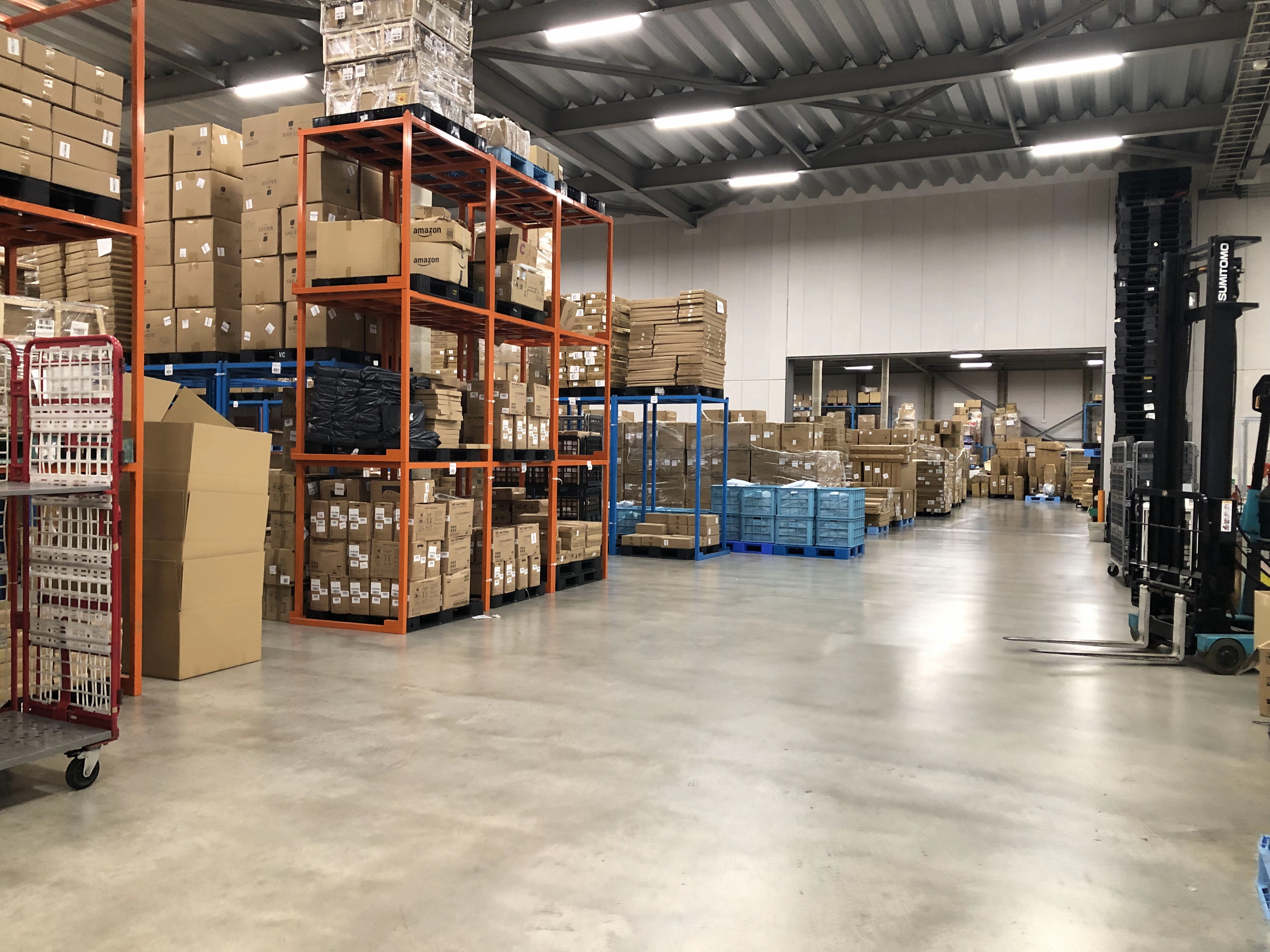
Trading company H supplied imported goods to its own stores in five Japanese cities. It wanted a Kanto site to reduce dependence on a single company-operated warehouse in Kansai.
Flow — Kansai Warehouse and Outsourced Kanto Site
Illustrative model: retain the existing warehouse and share storage and dispatch for Kanto stores with Tokyo.
This diagram illustrates the case model. Operations follow the agreed service arrangements.
Investment and Distribution Costs
Building its own Kanto facility required several hundred million yen, delaying the decision. Meanwhile, annual transport costs from Kansai to Kanto were around ¥120 million.
Extending Existing Warehouse Operations to Tokyo
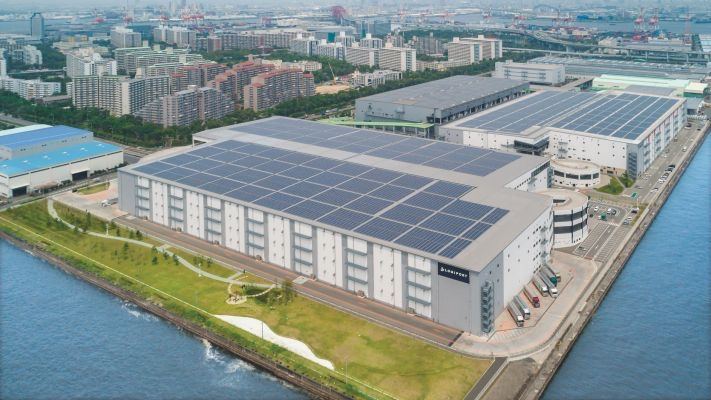
MEITO's Tokyo logistics center serves as the outsourced Kanto site while the existing Kansai warehouse remains in use. Storage and dispatch follow the customer's established operations, allowing Kanto stores to be supplied from a closer warehouse.
The sites share agreed inventory and operating responsibilities, adding a location without requiring the customer to build a new warehouse.
Transport Cost Change in the Model
The model shows annual Kanto transport costs falling from approximately ¥120 million to ¥98 million, a reduction of around ¥22 million.
This case is a representative model based on our service experience. Figures are for reference; arrangements and results vary with the goods and business conditions.